What this guide covers
A studio’s first week goes better when the setup order follows function, not box labels: sleep, then safe circulation, then hygiene, then basic food prep, then clothing capture, then a temporary work spot if you need one, then measured storage zoning — and only after all of that, optional organizers and decorative choices. This is a planning framework, not a rule that fits every household exactly; a household with accessibility, child-safety, medical, or property-specific needs may reasonably need a different order.
If you have not yet measured the apartment or decided what deserves permanent space, the Start Here method guide gives the same measure-before-buying sequence used throughout this first-week plan.
Quick plan
- Set up sleep and basic circulation before anything else.
- Get hygiene and basic food prep working before unpacking everything else.
- Measure before you assign permanent storage zones.
- Keep every doorway, vent, and exit path clear of boxes at every stage.
- Save organizers and decorative choices for last, once you know what you actually need.
Check before buying or changing anything
Constraints table
| Phase | What it needs | Added cost | Reversibility |
|---|---|---|---|
| Sleep/rest | A cleared, safe spot for a bed or sleeping surface | $0 if using what you already own | Easy to adjust in the first days |
| Circulation/access | Clear paths to the door, and around any furniture already placed | $0 | Should be checked and rechecked, not a one-time task |
| Hygiene/bathroom | Toiletries and towels unpacked and reachable | $0 to low | Easy to adjust |
| Kitchen/food prep | Basic cookware, dishes, and food-safe surfaces cleared | $0 to low | Easy to adjust |
| Clothing/laundry capture | A place for clean clothes and a place for dirty laundry to land | $0 | Easy to adjust |
| Measured storage zoning | Actual measurements of closets, shelves, and cabinets | $0 for the measuring step itself | N/A — this is a measuring step, not a purchase |
The first-week setup order
- Sleep and rest first. Set up a clear, safe spot for a bed or sleeping surface before anything else. This does not need to be the final layout — it needs to be workable for the first several nights.
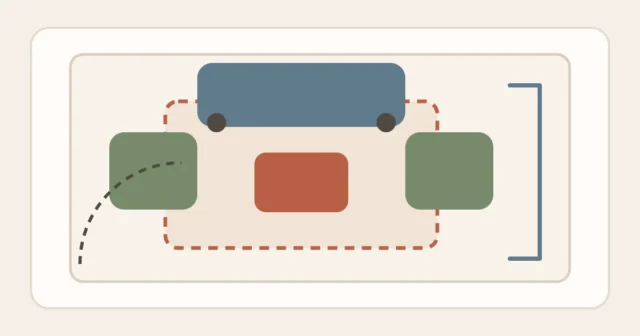
- Safe, usable circulation. Confirm you can move from the door to the sleeping area, the bathroom, and the kitchen without stepping over boxes or furniture, and that no box blocks a doorway, a window used as a secondary exit, a vent, or a utility access panel. Recheck this after each unpacking session, since circulation paths tend to narrow gradually as boxes get opened rather than all at once.
- Basic hygiene and bathroom setup. Unpack toiletries, towels, and anything needed for a normal daily routine before tackling larger unpacking projects.
- Essential kitchen and food-prep function. Get enough cookware, dishes, and clear counter space to prepare simple food; a fully organized kitchen can wait, but a usable one should not.
- Clothing and laundry capture. Set up a place for clean clothes and a separate capture zone for dirty laundry — see entryway storage when you have no closet for the same “small, bounded, temporary zone” logic applied to an entry, which works just as well for a first-week clothing spot.
- A temporary work or charging area, if you need one. A single surface with access to an outlet is enough for the first week; a full desk setup can wait until you have measured the space properly.
- Measured storage zoning. Now measure closets, shelves, and cabinets before assigning categories to them — this is the point where organizing a small apartment without buying more bins‘s capacity-first method becomes useful, once you actually know what space you have.
- Only then, organizers and decorative additions. Bins, dividers, art, and other finishing choices come last, sized to the zones you have already measured and used for a few days.
First-week priority checklist, sleep to storage
- Sleeping area is clear, safe, and usable.
- Every doorway, window exit, vent, and utility panel is unobstructed.
- Bathroom basics are unpacked and reachable.
- Kitchen has basic cookware and clear prep space.
- Clean and dirty clothing each have a temporary spot.
- A work or charging surface exists, if you need one.
- Closets, shelves, and cabinets are measured before zoning.
- Organizers and decorative choices are still on hold.
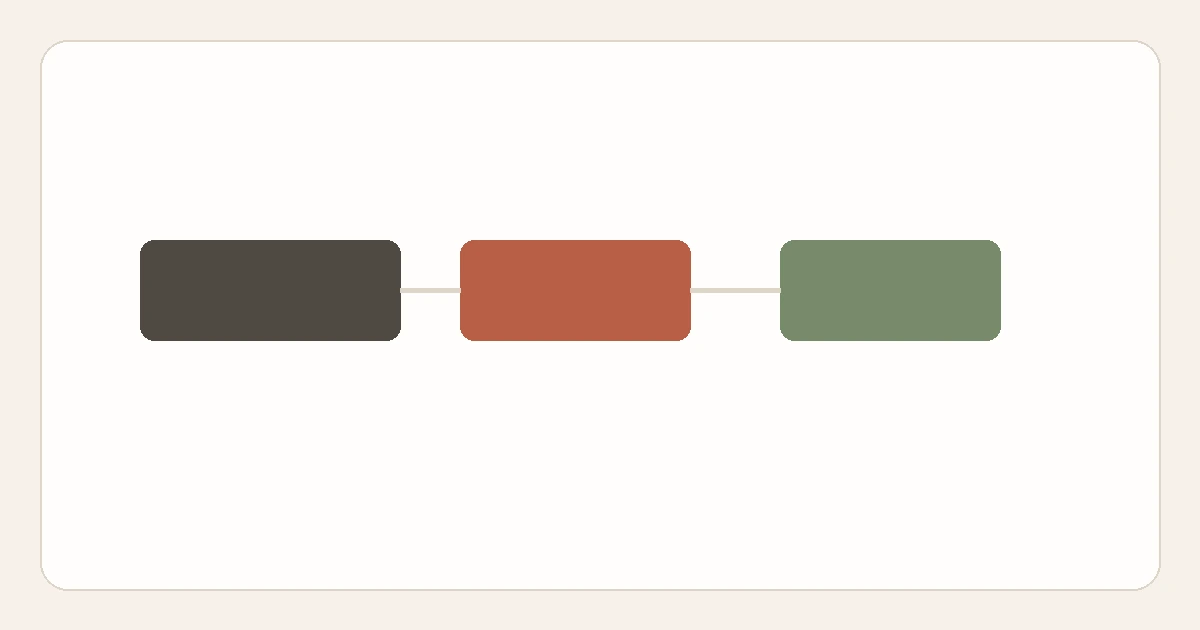
Day/phase flow diagram
Function comes first and takes up most of the first days; measured zoning and finishing touches are deliberately the smallest, last step, not the starting point.
Unpack now / measure first / wait worksheet
Sort your boxes into these three categories as you unpack, rather than opening everything in whatever order it comes off the truck.
| Category | What belongs here | Why |
|---|---|---|
| Unpack now | Bedding, daily toiletries, a few days of clothing, basic cookware and dishes | These support the function-first phases and are needed within the first day or two |
| Measure first | Shelving, storage furniture, anything meant for a closet or cabinet | Placing these before measuring the actual space risks a wrong fit or a wasted purchase |
| Wait | Decorative items, duplicate or seasonal items, anything without an assigned zone yet | These have no urgent function and are easiest to place correctly once the rest of the setup is stable |
What not to buy or change yet
- Do not buy storage furniture or organizers before measuring the actual closets, shelves, and cabinets you have.
- Do not stack boxes in front of a door, window exit, vent, or utility access panel, even temporarily during the unpacking process.
- Do not alter property fixtures — outlets, vents, built-in shelving, or fixtures — as part of a first-week setup.
- Do not try to fully organize every category in the first week; a workable, safe setup now is more useful than a complete one that takes a month to finish.
A repeatable review method
- End of the first week: walk through the priority checklist above and confirm each phase is genuinely workable, not just started.
- End of the first month: revisit the measured storage zones now that you have lived with them, and adjust anything that turned out not to match your actual habits.
- Ongoing: recheck that circulation paths and exits have not slowly been reclaimed by new purchases or accumulated items, since this tends to happen gradually rather than all at once.
FAQ
How many days should each phase actually take?
This varies by household, apartment, available time, and how much help you have, so there is no universal number of days for any phase. Treat the order as a priority sequence rather than a fixed schedule, and move to the next phase once the current one is genuinely workable. If a phase takes longer than expected, keep the essentials functional and continue at a pace that fits the household instead of treating an arbitrary deadline as part of the method.
What if I do not have anywhere to put luggage or moving boxes once they are empty?
See where to store luggage in a small apartment for where empty luggage or moving containers typically fit best in a small apartment once you have measured the space — usually a low-frequency zone rather than a central one.
Should I unpack everything in the first week no matter what?
No — the wait category in the worksheet above exists specifically because not everything needs a decision in week one; forcing every box open immediately often leads to items being placed without a real plan.
What if I am moving with a roommate and we disagree on the order?
The function-first priorities — sleep, circulation, hygiene, basic food prep — are usually easy to agree on since they affect both people daily; save more subjective decisions, like decorative choices or exact storage zoning, for after the shared basics are settled and each person has had a few days to notice what actually works for them.
Method notes
This guide applies the same Zorenc method strongly to a single first week: function before storage, and measurement before any organizing purchase. It deliberately avoids a fixed number of days per phase and does not claim the exact order fits every household, since accessibility, medical, and property-specific needs can reasonably change it. For the same measurement-led approach applied to organizing more broadly, see organizing a small apartment without buying more bins, or browse Rental-Friendly Living for more of this reversible-first approach to a rental.
Sources
This article is a general planning framework rather than a set of chemical, structural, or safety-specific claims that require an external citation. Where a household’s needs genuinely differ — accessibility, medical, or property-specific circumstances — this guide directs readers to their own judgment or an appropriate professional rather than offering that advice itself.