What this guide covers
- Define the job before choosing a curtain or shade
- Measure the opening, obstacles and movement
- Draw the window in elevation
- Compare renter-conscious covering forms
- Protect window operation and the escape plan
- Plan fabric width, length and stack without a style formula
- Test removal before trusting the word removable
- Coordinate the floor below the window
- What not to buy or change yet
- FAQ
- Method notes
- Sources
Rental-friendly window coverings should begin with the lease, the existing window and a complete set of measurements—not with the promise that a product is “no drill.” Record the glass, frame, trim, handles, opening direction and the privacy or light problem you need to solve. Then compare only options whose installation, removal and safety instructions match that exact surface and household.
Define the job before choosing a curtain or shade
Privacy, glare control and room darkening are different jobs. A sheer panel may soften a view while leaving silhouettes visible at night. A temporary shade may cover the glass but prevent a window from opening normally. Heavy fabric may darken a room but exceed the support method’s limits. Write one primary job and one acceptable compromise before shopping.
- Read the lease, move-in record and any written rules for window treatments, adhesives and visible exterior changes.
- Photograph the existing window, brackets, marks and blind condition before changing anything.
- Identify whether the window tilts, slides, swings or provides an escape opening.
- Choose cordless window coverings when young children may be present, following CPSC guidance.
- Test a permitted sample on a hidden comparable surface only when the product instructions allow a test.
Measure the opening, obstacles and movement
Take each width at the top, middle and bottom because frames are not always square. Measure height on both sides and in the center. For an inside-fit product, the smallest clear dimension usually controls, but the product’s own measuring guide is authoritative. For an outside-fit curtain or shade, record the trim and the available wall or frame area around it.
| Measurement | Where to check | Failure it helps reveal |
|---|---|---|
| Clear width | Top, middle and bottom inside the intended mounting plane | A tension or compression device that cannot seat evenly |
| Clear height | Left, center and right to the sill or planned end point | A shade that bunches, drags or leaves the wrong gap |
| Frame depth | Shallowest usable section before glass, stops or hardware | A bracket or headrail projecting into the window |
| Handle projection | Window locks, cranks and sliding handles in motion | Fabric or hardware blocking normal operation |
| Side clearance | Trim to wall, cabinet, pipe, switch or adjacent window | A rod or panel colliding with nearby features |
| Open stack | Space occupied when the covering is fully opened | Reduced light, blocked glass or an inaccessible latch |
Draw the window in elevation
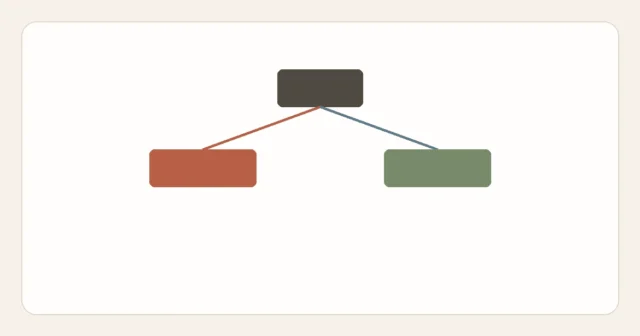
The diagram records the places that can change fit; it does not prescribe an allowance. Use the smallest real opening and the exact product’s measuring method, installation limits and operating clearances.
Compare renter-conscious covering forms
Keep and adapt the existing blind
The least disruptive solution may be to clean, repair or layer around a working landlord-provided blind without removing it. Ask who is responsible before altering the blind or brackets. If cords are present, follow current safety guidance. The U.S. Consumer Product Safety Commission recommends cordless coverings where young children are present and provides separate precautions for existing cords.
A product designed to attach to the frame without drilling
Some temporary pleated shades and clip-on or compression products are marketed for no-drill installation. That phrase does not mean every frame is compatible or damage-free. For example, IKEA’s SCHOTTIS page describes a cut-to-size no-drill shade, but its dimensions, adhesive method, material and care remain product-specific. Read the complete instructions before treating any one example as a category rule.
A tension rod with lightweight fabric
A tension rod needs two suitable opposing surfaces, enough depth and a load within its instructions. Textured, angled, weak or freshly painted surfaces may be unsuitable. Measure the rod body and end pads at the installed height, then account for fabric and rings. Do not place a falling rod above a bed, desk, child area or breakable object.
A freestanding screen placed near the window
A screen avoids attachment to the frame but consumes floor area and can tip. Mark its feet and open position. Keep it away from heaters, candles, curtains, windows that must open and the normal walking line. This works best for partial sightline control, not as a substitute for a required window covering or a safe escape opening.
Written permission for a conventional installation
If the temporary choices do not solve the actual job, ask the property owner or manager about an approved rod or blind. Record the approved location, installer, hardware, restoration expectation and ownership at move-out. Apply the surface and load questions in rental-friendly wall-storage checks; “small holes” are still an alteration when the lease says they are.
Protect window operation and the escape plan
Open, close and lock the window after the covering is installed. The fabric, headrail, rod and adhesive edge must not cover a latch, jam a track or prevent the window from reaching its normal position. The U.S. Fire Administration recommends including doors and windows in the home escape plan and keeping them unblocked. A covering that needs several unfamiliar steps to release should be reviewed against the household plan and local requirements.
Check nearby doors with the same movement logic used in the door-clearance measurement guide. A long curtain can enter a balcony-door track, touch a baseboard heater or catch on furniture. If the window shares a wall with a desk, route any motor or smart-shade lead using the safety-first approach in rental cable-management guide; do not let a cable cross the walking path or become a substitute for proper support.
Plan fabric width, length and stack without a style formula
Start with the functional coverage required by the chosen product. Curtain fullness, overlap and length change with the heading, fabric, rod and desired look, so use the maker’s measuring method rather than one universal multiplier. Mark the proposed lower edge with removable tape. Confirm it stays clear of the floor, radiator, vent, desk and any area where moisture collects.
Open the covering fully and measure the stack at the side or top. If the stack blocks much of a small window, a different form may preserve more daylight. Observe the exterior at night with indoor lights on to verify the privacy result. Do this without photographing neighbors or shared private areas.
Test removal before trusting the word removable
- Read the surface preparation, cure time, load and removal directions in full.
- Confirm the frame material and finish are included, not merely similar in appearance.
- Use a permitted small test only on a hidden comparable area and document its condition.
- Install no more than one covering and operate it for a normal week.
- When removal time arrives, follow the specified direction and speed; never pull paint or film outward by force.
Keep packaging and instructions with the move-out record. Adhesive performance changes with surface, preparation, age, paint, heat, humidity and load. A successful test reduces uncertainty but does not guarantee an unchanged finish months later. Written permission is the clearer route when restoration risk matters.
Coordinate the floor below the window
Keep furniture and climbable surfaces away from accessible window-covering cords, following CPSC guidance. Also check whether a long panel meets the rug, desk or bed below. Use small-rental area-rug guide when a rug defines the seating zone near the window; the edge should not force furniture into the covering or create a pinch point around the operating path.
What not to buy or change yet
- Do not order from the glass size alone; measure the intended attachment plane and all hardware.
- Do not treat “no drill,” “temporary” or “renter friendly” as a guarantee for the lease or finish.
- Do not remove landlord-provided blinds without written agreement about storage and reinstatement.
- Do not use accessible corded coverings where current safety guidance calls for cordless options.
- Do not block a latch, ventilation opening, heater, exit window or door movement to gain privacy.
FAQ
Are adhesive shades always safe for rental window frames?
No. Compatibility depends on the adhesive, frame material, finish, preparation, environment, time and removal method. Check the product directions and lease, test only as permitted and obtain written approval when surface damage or restoration responsibility is uncertain.
Can a tension rod hold blackout curtains?
Only when the rod’s specified installation surfaces, span and load allow the complete curtain system. Blackout fabric can be heavier than it appears. Include panels, rings and any overlap, and reject the arrangement if the rod slips or would fall into an occupied area.
Should curtains touch the floor in a small rental?
That is a design choice, not a rule. A small clearance can make cleaning and door movement easier, while another room may support floor-length panels. Keep fabric away from heat, moisture, traffic and anything that catches it, then follow the product and fabric-care guidance.
What should happen to the original blinds?
Ask the owner or manager before removal. Photograph their condition, label every part and store them only in an agreed dry, protected location. Record who will reinstall them and what condition is expected at move-out.
Method notes
This guide applies the Start Here method to privacy and light control: define the job, measure the complete window, preserve its operation, then compare reversible and approved options. It extends rental-friendly wall-storage checks and the broader Rental-Friendly Living system without declaring any adhesive, tension product or installation universally damage-free.
Sources
- U.S. Consumer Product Safety Commission, window-covering cord safety guidance — cpsc.gov/gocordless
- U.S. Consumer Product Safety Commission, cordless-covering guidance for rooms where children may be present — cpsc.gov/Newsroom/News-Releases/2022/CPSC-to-Consumers-The-Safest-Window-Coverings-When-Young-Children-Are-Present-Are-Cordless
- U.S. Fire Administration, home fire escape planning and unblocked doors and windows — usfa.fema.gov/prevention/home-fires/prepare-for-fire/home-fire-escape-plans
- IKEA, official window-treatment overview covering common widths, lengths and forms — ikea.com/us/en/cat/window-treatments-tl002
- IKEA, official SCHOTTIS product page describing a cut-to-size no-drill pleated shade — ikea.com/us/en/p/schottis-pleated-shade-white-90431378