What this guide covers
- Quick plan
- Measure and check before you buy anything
- Constraints table
- The decision process, in order
- Staging map: dirty to clean to put away
- Routine worksheet, based on your actual frequency
- An overflow rule for delayed laundry days
- What not to buy or change yet
- A repeatable reset method
- FAQ
- Method notes
- Sources
A laundry routine without a dedicated laundry room works when you treat it as a staged handoff — dirty capture, transport, wash and dry wherever that actually happens, a clean landing spot, then folding and put-away — rather than one continuous chore. Build the routine around one load at a time and your household’s real frequency, not a borrowed schedule from a home with its own machines.
Quick plan
- Give dirty laundry one capture zone instead of letting it spread across the home.
- Map the transport path to wherever washing actually happens.
- Give clean laundry a temporary landing zone that is not a permanent living surface.
- Base the routine’s frequency on your household’s real laundry generation, not a borrowed schedule.
- Set an overflow rule for the days the routine cannot happen on schedule.
Measure and check before you buy anything
Constraints table
| Zone | Typical space | Access needed | Transport/property note | Added cost | Use frequency |
|---|---|---|---|---|---|
| Dirty-laundry capture | One bag, basket, or bin-sized footprint | Daily | None, unless a shared hallway restricts what can be left out | $0 if reassigned | High |
| Transport path | Hallway, stairwell, or route to the laundry area | Each laundry trip | Confirm building rules on carts, hours, or shared equipment | $0 | Matches your laundry frequency |
| Wash/dry location | Varies — building room, laundromat, or shared unit | Scheduled or first-come, per that location’s own rules | Follow the posted or provided instructions for that specific location | Per-load cost varies by location | Matches your laundry frequency |
| Clean-laundry landing zone | A bed corner, chair, or small table — deliberately chosen | Daily until folded | Should not be a shared or high-traffic surface long-term | $0 | Each load, until folded away |
The decision process, in order
- Choose one dirty-laundry capture zone. A single bag, basket, or bin that lives in the same spot every time keeps dirty laundry from spreading into multiple piles around the home.
- Sort only when a load is ready, not continuously. Full-time sorted bins take up more space than most small homes have. A quick sort right before a laundry trip is usually enough for one load at a time.
- Map and confirm your transport path. Note doors, stairs, and any shared-space rules between your capture zone and wherever washing happens, so moving a full load is not the hardest part of the routine.
- Assign a clean-laundry landing zone before the load comes home. Decide this ahead of time — a chair, a bed corner, a fold-out surface — so clean laundry has a deliberate temporary spot instead of colonizing whatever surface is closest to the door. The same “small, bounded, and temporary” logic used for entryway storage when you have no closet works well here too.
- Fold or hang within a set window, then put away. The landing zone works only if it empties on a predictable timeline; see the overflow rule below for what to do when that timeline slips.
- Only then, consider a bag, cart, or hamper purchase. If your capture zone or transport path genuinely does not work with what you already own, measure the specific gap — capacity, path width, weight you can carry in one trip — before choosing something new.
Staging map: dirty to clean to put away
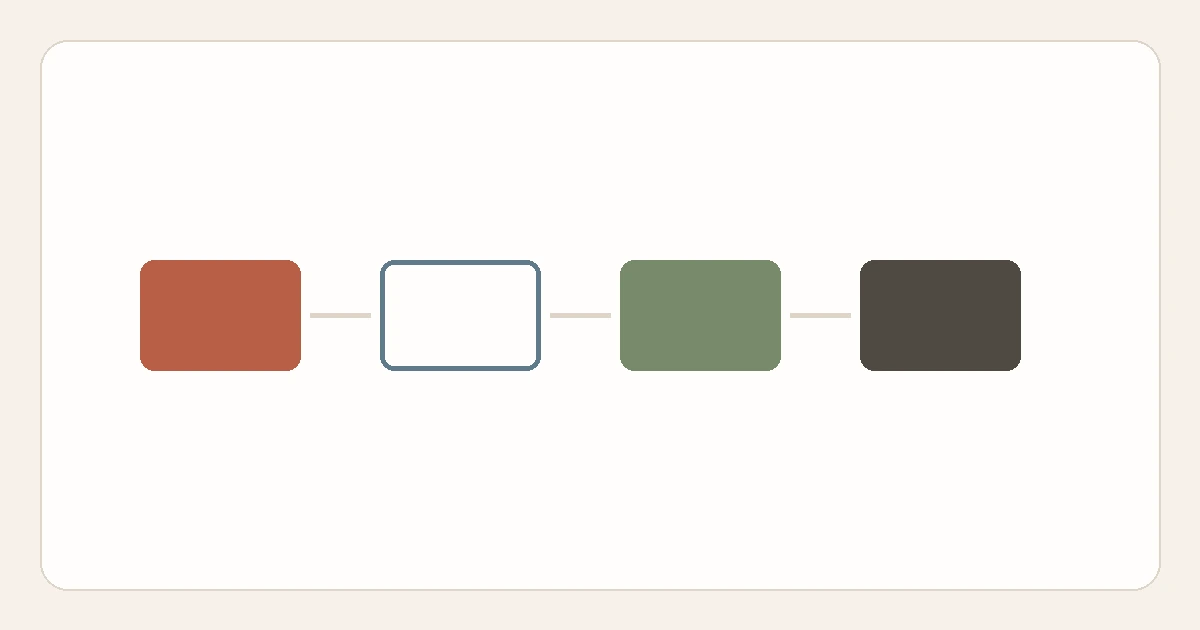
The wash/dry stage is drawn as an outline because it usually happens off-site or in a shared space, not a dedicated room. The dashed connector is your transport path — the part of the routine most small homes skip planning for.
Routine worksheet, based on your actual frequency
This is a fill-in worksheet. Fill in your own numbers using the past two or three weeks as a reference — the example row shows how one household completed it.
| Stage | Who handles it | Trigger to start | Time window before overflow |
|---|---|---|---|
| Example: capture zone | Whoever fills the bag last | Bag is visibly full | Within 2 days of being full |
| Capture zone | Note who in the household handles this stage | Note what signals it is time to start a load — full bag, a set day, or a set count | Note how long the bag can sit full before it becomes a problem for your space |
| Transport / wash-dry | Note who makes the trip | Note your actual trigger — a laundromat visit, a booked building slot, a set day | Note how many days a delay is tolerable before it affects what you can wear |
| Landing zone | Note who folds or hangs the load | Note when folding usually happens relative to the load coming home | Note how long the landing zone can hold a load before it needs to be a rule, not a habit |
An overflow rule for delayed laundry days
Some weeks the routine will not run on schedule — a closed laundry room, a missed trip, a busier-than-usual week. Decide in advance what happens then: a common approach is a single overflow bag that holds anything beyond the capture zone’s usual capacity, with a rule that the overflow bag is the very next load once the routine resumes, ahead of anything newer. This keeps a delay from turning into laundry spread across multiple rooms while you catch up. If sheets and towels are what repeatedly create the overflow, the inventory-cap method in a small linen closet layout can help you check whether the pressure comes from a delayed load or from keeping more linens than the assigned shelf can comfortably hold. The overflow bag should live in the same spot every time, ideally right next to the regular capture zone, so a delayed week does not also mean hunting for where the extra laundry ended up.
What not to buy or change yet
- Do not buy a large capacity hamper or cart before confirming it fits your actual transport path, including any stairs or narrow doorways.
- Do not buy sorting bins for every category before testing whether a single capture zone with an occasional pre-trip sort covers your household’s needs.
- Do not assume a specific detergent amount, cycle length, or load weight; follow the garment care labels on your clothing and the instructions posted at your specific machine or laundromat.
- Do not let a folding table or drying rack become a permanent fixture on a shared living surface if putting laundry away within your chosen window would free it instead.
A repeatable reset method
- Each load: move clean laundry out of the landing zone within your chosen window, rather than letting it accumulate load over load.
- Weekly: confirm the capture zone emptied at least once, even during a lighter week, so it does not quietly become permanent storage.
- Monthly or seasonally: re-check whether your chosen frequency in the worksheet above still matches your actual household generation of dirty laundry, and adjust the trigger if it does not.
FAQ
How often should I actually do laundry with this routine?
There is no universal schedule that fits every household; use the routine worksheet above to set a trigger based on your own capture zone filling up or a set day that matches how quickly your household generates laundry.
What if I do not have anywhere to hang a temporary landing zone, like a chair or table?
A single shelf or a portion of a closet works as well as a chair, as long as it is a deliberately chosen spot rather than wherever the load happens to land. See a small linen closet layout for how a similar small, capped zone can be carved out of an existing shelf. The size of the zone matters more than what kind of surface it is — a small, clearly bounded spot forces a fold-and-put-away decision sooner than a large open surface would.
Should I fold immediately or let clean laundry sit for a bit?
Either can work, as long as the landing zone has a defined window before it counts as overflow — an immediate fold avoids a landing zone altogether, while a short delay is fine if the zone is small enough that it cannot quietly grow. Households that consistently let laundry sit for more than a day or two often do better setting the landing zone itself as the trigger — fold whenever it looks full — rather than relying on a fixed time window that is easy to lose track of.
What if my building’s laundry room has specific machine instructions?
Always follow those over any general routine advice here; posted machine instructions and your detergent’s label take priority over generic guidance, since machines and detergents vary.
Method notes
This guide applies the reduce-and-measure logic used throughout Laundry & Cleaning to a routine that does not assume a dedicated laundry room or household-owned machines. It avoids universal hamper sizes, load weights, cycle times, and detergent amounts. Use measuring and placing a hamper in a small apartment for the capture-zone fit and carry route; see organizing a small apartment without buying more bins for other overflow surfaces and entryway storage when you have no closet for a bounded landing zone.
Sources
This article describes a household routine-design method rather than a set of chemical, appliance, or safety claims that require an external citation. Garment-care and detergent guidance is directed to the specific product’s own label rather than restated here, and machine operation is directed to the specific appliance’s or laundromat’s own posted instructions.