What this guide covers
A small linen closet becomes easier to use when shelf position follows reach and use frequency instead of a generic “towels here, sheets there” template. Measure every shelf, set household-specific inventory caps from laundry and guest routines, and give the easiest safe reach to the items used most. That pass can reveal whether a divider is actually needed before you buy one.
Quick plan
- Empty the closet and sort every category by how often you actually use it.
- Set an inventory cap for each category before refolding anything back in.
- Assign the easiest-reach shelf to whatever you use weekly, not to whatever looks tidiest.
- Push rare or seasonal categories to the top or bottom shelf.
- Recheck the caps after replacements, gifts, guest changes, or a new laundry routine.
Measure and check before you buy anything
Constraints table
| Shelf zone | Typical space | Access needed | Surface / lease note | Added cost | Use frequency |
|---|---|---|---|---|---|
| Easiest-reach shelf for the household | Measure full usable width, depth, and clear height | Daily to weekly | None when shelving remains unchanged | $0 | High |
| Next-easiest shelf | Measure full usable width, depth, and clear height | Weekly | None when shelving remains unchanged | $0 | Medium to high |
| Higher shelf | Measure visibility, depth, and safe step-stool access | Rare | Keep light; do not climb on furniture | $0 | Low |
| Floor or bottom shelf | Measure clear height and any nearby building access | Occasional | Keep heat sources, vents, shutoffs, and required access clear | $0 | Low to medium |
The decision process, in order
- Rearrange before you buy anything. Empty the closet completely and look at the shelves themselves — spacing, depth, and whether they are adjustable — before assuming you need bins or dividers.
- Sort every category by frequency of use. Group items into daily/weekly (bath towels, everyday sheets), occasional (guest linens, tablecloths), and rare (seasonal or backup items).
- Set a written inventory cap per category. Start with what is in use, add the smallest buffer your real laundry interval requires, and account for regular guest or seasonal needs. A household with limited laundry access, young children, caregiving needs, or frequent guests may need a different cap from a household that washes more often. The cap is a planning number to revisit, not a universal quota.
- Reduce to the cap before refolding anything back in. Retire thin, mismatched, or excess linens through your usual donation or textile-recycling channel rather than keeping them “just in case.”
- Assign shelves by frequency, not by category alone. Put whatever you reach for weekly at the easiest shelf height, regardless of whether it is towels or sheets, and push rare categories to the top or bottom.
- Only then, consider shelf dividers or bins. If a specific shelf still does not work after this pass — for example, a capped stack repeatedly tips sideways — measure that shelf and consider a slim divider compatible with its material and dimensions.
Shelf-zone template
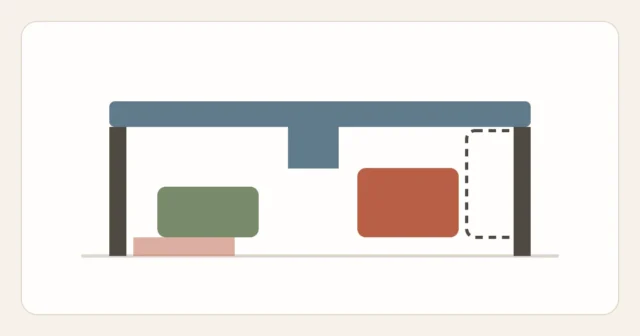
Shelf order follows the household’s easiest safe reach, not tradition: the most accessible shelves hold whatever is used most, regardless of which linen category that turns out to be.
Inventory-cap worksheet
| Category | In active use | Laundry / guest buffer | Your chosen cap | Current count |
|---|---|---|---|---|
| Bed sheet sets | Count beds that are regularly dressed | Add only what your laundry cycle or recurring guests require | Active-use count + chosen buffer | Count complete sets currently on hand |
| Extra pillowcases | Count pillows used in the normal rotation | Add replacements you actually use between washes | Set a limit that fits the assigned shelf zone | Count extras beyond the active rotation |
| Bath towels | Count towels in the household’s regular rotation | Add the realistic laundry-cycle or guest buffer | Active rotation + chosen buffer | Count bath towels currently stored |
| Hand towels and washcloths | Count one normal-use rotation | Add only the amount needed until the next wash | Choose a cap from the real rotation | Count all stored pieces in this category |
| Guest linens | Count only recurring guest needs | Add a buffer only when stays overlap the laundry cycle | Cap to the guest pattern you actually host | Count guest-only sets or pieces |
| Tablecloths / seasonal linens | Count pieces currently used for real events or seasons | Usually none unless your routine requires a second rotation | Cap by actual events and the assigned storage zone | Count pieces currently stored |
Complete the first two number columns from your own routine, then add them to choose a cap. “In active use” means the quantity simultaneously serving beds, baths, or tables; the buffer covers the interval until those items can realistically be washed and returned plus any recurring guest need. If the current count exceeds the cap, review condition and purpose before deciding what can leave.
Two closet configurations, matched to what you have
1. Four fixed shelves
Assign the two middle shelves to daily and weekly categories, the top shelf to rare or seasonal items, and the bottom shelf or floor to bulky, occasional items such as spare blankets. This is the layout shown in the shelf-zone template above.
2. Adjustable wire or solid shelving
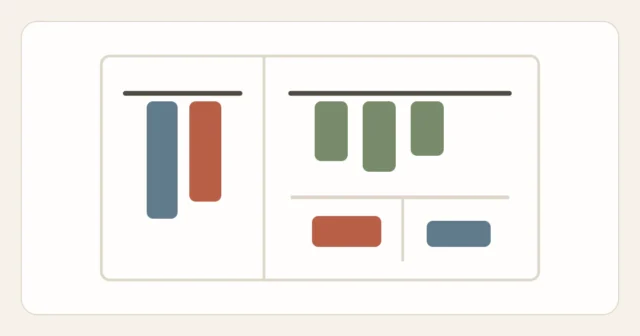
If shelving is adjustable, measure the folded height of each capped stack and test a new spacing only through the shelf system’s own adjustment instructions. Bulky blankets may need more clearance than towels, but the actual stacks decide. Confirm that shelves, brackets, and clips remain installed as specified and within the system’s stated load before returning contents.
3. A closet shared with non-linen categories
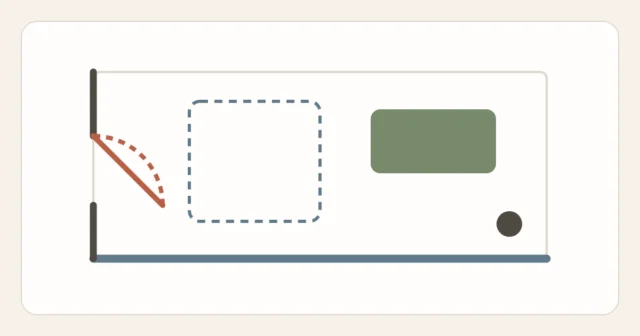
A hall or bedroom closet may also hold a vacuum or other household equipment. Assign each category a bounded zone by its size, weight, and access frequency rather than automatically giving linens a fixed number of shelves. Keep equipment from crushing textiles or blocking a shutoff, vent, door, or the safe route to another item. Hazardous products need separate, label-directed storage rather than a generic “overflow supplies” zone beside linens.
What not to buy or change yet
- Do not buy stackable bins or dividers before setting inventory caps — a smaller, capped stack often does not need a divider at all.
- Do not buy an over-the-door organizer for linens before confirming the door’s swing and weight rating, and before checking whether a reassigned shelf already solves the problem.
- Do not remove or reconfigure fixed shelving as a first step; try the frequency-based reassignment first, since it costs nothing and is fully reversible.
- Do not keep worn, thin, or mismatched linens “for guests” if they would not be your actual choice to give a guest; retire them through your usual channel instead.
A repeatable reset routine
- Weekly, when you put laundry away: return items to their assigned shelf rather than the most convenient stack, so the frequency-based order does not drift back into a single mixed pile.
- After a replacement, gift, or seasonal change: re-check the affected category against its written cap so the old and new items do not remain by default.
- Once a year: reassess whether the daily/weekly/rare assignment still matches your household’s actual routine, and swap shelf zones if it has changed — a new baby, a guest who now visits regularly, or a change in how often you do laundry can all shift which category deserves the easiest shelf.
FAQ
Should towels and sheets be stored separately or mixed by frequency?
Frequency can matter more than keeping every textile type in a traditional order. If your household reaches for bath towels daily and sheet sets less often, towels may earn the easier shelf. Keep distinct stacks or labels if mixing categories would create confusion; the aim is a layout that matches actual reach and use, not a new universal arrangement.
What if my linen closet also has to hold cleaning supplies or a vacuum?
A vacuum can use a measured floor zone if it remains stable and does not block the door, route, vent, shutoff, or access to linens. Do not automatically put cleaning chemicals on the floor or bottom shelf. Follow each product label, keep hazardous products in original labeled containers, and use a separate secured location when needed to keep them inaccessible to children or pets and away from textiles.
How do I stop the closet from refilling past its caps?
Use the written cap as a prompt whenever a new sheet set or towel enters the closet. If a one-in-one-out rule suits your household, it can be a simple way to stay near that cap; otherwise, pause and review the category before deciding whether anything should leave. The cap is a planning limit to revisit, not a universal discard rule.
Is it worth buying matching bins for a small linen closet?
Only after the frequency-based shelf assignment and inventory caps are in place and a specific shelf still has loose, sliding stacks; at that point a slim divider sized to the shelf’s actual measurements is more useful than a matching bin set bought first.
Method notes
This guide applies the Start Here method guide to a single closet: measure the shelves, sort by frequency, set a written cap, reduce to it, and assign zones by reach rather than tradition. It intentionally avoids recommending a specific bin or divider brand, since shelf depth and spacing vary between closets. For the same approach applied to clothes, see maximizing wardrobe space without replacing the closet; organizing a small apartment without buying more bins and where to store luggage in a small apartment show how nearby low-frequency items are zoned, while using vertical storage without crowding a room and entryway storage when you have no closet apply the same reach logic to walls and entries. Browse Small-Space Storage for the full storage series.
Sources
- U.S. Environmental Protection Agency, household hazardous waste storage guidance — epa.gov/hw/household-hazardous-waste-hhw
- U.S. Consumer Product Safety Commission, Home Safety Checklist guidance for reaching high shelves — cpsc.gov/s3fs-public/701.pdf