What this guide covers
- Map the laundry path before choosing a corner
- Measure the hamper in all three states
- Compare five realistic locations
- Hamper-placement diagram
- Decide between one hamper and a sorter
- Plan for damp items separately
- Test the route with a partial load
- What not to buy or change yet
- A repeatable reset
- FAQ
- Method notes
- Sources
The best place for a laundry hamper in a small apartment is the smallest dry, reachable zone that matches where clothes come off and how a full load travels to the washer. Measure the hamper closed and in use, protect doors and walking routes, and test the trip with an existing bag or basket. A hidden hamper is not useful if damp items disappear inside it or the full container cannot leave the room.
Map the laundry path before choosing a corner
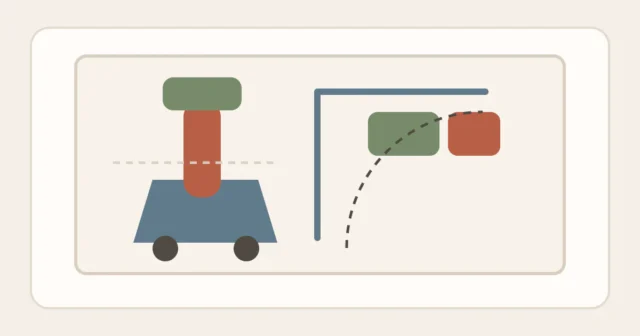
Trace one ordinary load from clothing change to wash location. Mark where dirty clothes first collect, who carries them, which doors and turns are used, and where sorting happens. If washing occurs in a shared room or laundromat, include stairs, lifts, building doors, and the transport method. The capture zone should make that route easier, not force a full hamper through a narrow path sideways.
- Choose one primary dirty-laundry capture zone before adding separate sorters.
- Measure the floor footprint, full height, lid or frame movement, handles, and pull-out direction.
- Keep the room door, wardrobe door, drawers, vents, heaters, and walking route usable.
- Let damp items dry as their care guidance allows before placing them in a closed dirty-laundry container.
- Test the full loaded route using a manageable amount rather than relying on empty-basket dimensions.
Measure the hamper in all three states
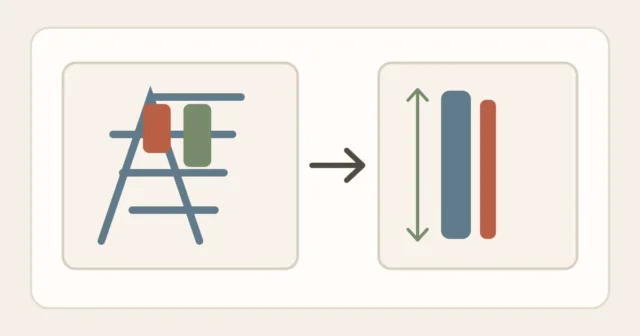
A collapsible bag, rigid basket, and lidded hamper occupy different space when empty, receiving clothes, and being carried. Record all three states. A lid may need clearance above. Handles may add width. A soft bag can bulge beyond its listed footprint, while a rigid basket retains its shape but may not turn through the doorway.
| Measurement | What to include | Why it changes placement |
|---|---|---|
| Resting footprint | Outside width and depth, including frame and feet | Defines the permanent floor zone |
| Working height | Body plus open lid, lifted handles, or bag frame | Prevents a shelf, rail, or hanging clothes from blocking use |
| Loaded shape | Expected bulge, handle position, and stable fill line | A soft container may enter the walking route as it fills |
| Door and drawer path | Full swing or extension beside the proposed zone | A hamper can fit the corner yet trap storage behind it |
| Carry route | Narrowest door, turn, stair, lift, and shared doorway | The container must leave without blocking or scraping the route |
| Handling load | Amount the carrier can move with control | A larger hamper can become impractical before it looks full |
Compare five realistic locations
Bedroom corner
A bedroom zone is close to where much clothing changes and can support a daily habit. Protect the bed route, wardrobe opening, curtain movement, outlet access, and any heater or vent clearance. A narrow, stable bag may work better than a wide decorative basket when floor space is limited.
Wardrobe or closet floor
A closet hides the container, but the doors must open fully and clean clothing should remain separate from dirty or damp items. Check ventilation and the product’s intended use. Do not place a hamper against a heater, electrical equipment, or an area showing condensation or moisture. The container should pull out without removing shoes or hanging clothes.
Bathroom dry zone
A bathroom can capture towels and clothing close to use, but direct spray, persistent humidity, plumbing access, and floor cleaning change the decision. Use only a container and location suited to the conditions. Damp towels should follow their drying and care guidance rather than being compressed into a closed hamper.
Hall or entry-adjacent zone
This can shorten the route to a building laundry room, but shared and household circulation comes first. Do not narrow a doorway, hall, stair approach, or exit. If the entry already handles shoes, bags, and mail, use measured entryway storage to confirm that laundry does not turn the landing zone into mixed overflow.
A portable bag stored flat when empty
For a very small home, the capture zone can be a breathable or otherwise suitable bag on a stable hook or shelf, used according to its instructions and removed for each trip. Wall or door hanging adds surface, movement, and load questions; a freestanding or shelf-based location is the fallback when attachment permission or suitability is unclear.
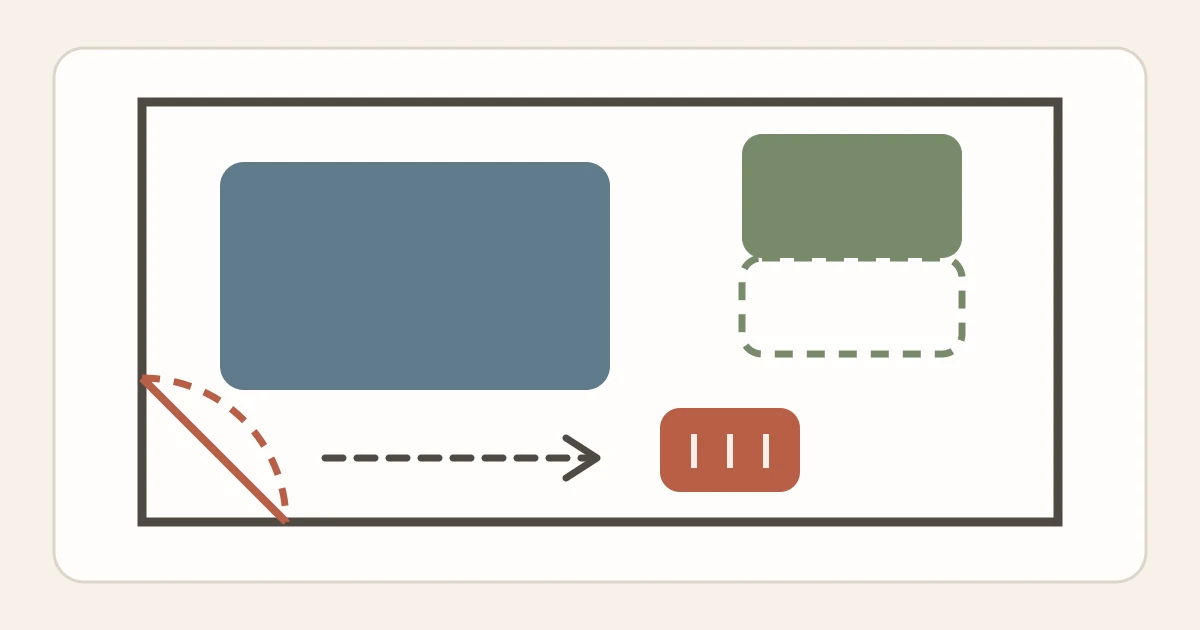
Hamper-placement diagram
The example hamper sits near the clothing zone but outside the room-door swing, wardrobe opening, and central route. The clearances are illustrative; use the access needed by the household and building.
Decide between one hamper and a sorter
One hamper uses the least permanent floor space and supports the one-load-at-a-time flow in laundry routine without a laundry room. Sorting can happen immediately before washing. A divided sorter may help when the household already runs categories separately and each compartment empties regularly, but it also expands the footprint and can encourage several partial loads to sit for longer.
Test the routine with labeled reusable bags or temporary dividers before buying a sorter. If the household still combines everything on wash day, the compartments are not solving a real workflow. If one category repeatedly overflows, adjust the laundry trigger or textile inventory before increasing the container.
Plan for damp items separately
Do not use the hamper as an indoor drying rack. Towels, exercise clothing, swimwear, and hand-washed items may need to dry according to their fabric-care instructions before joining dry dirty laundry. Use indoor clothes-drying guide to plan airflow, spacing, surface protection, and removal once dry. If the home has recurring condensation, a leak, or visible mold, address the moisture source using appropriate guidance rather than changing the basket.
Test the route with a partial load
- Mark the proposed footprint with painter’s tape only when the surface guidance allows, or use paper on the floor.
- Place the existing basket or a box of similar outside dimensions in the zone for three ordinary days.
- Open every nearby door and drawer and walk the normal nighttime and morning route.
- Add a partial, manageable load and carry it through the narrowest doorway and turn.
- Confirm where the empty container returns after washing; a transport basket without a return zone will drift.
What not to buy or change yet
- Do not buy the largest hamper that fits the floor; test whether a filled version fits the route and remains manageable.
- Do not put a hamper behind a door when it changes the full swing, latch, closer, or safe exit route.
- Do not install a wall- or door-mounted bag until the lease, surface, hardware, and product instructions all support it.
- Do not use a decorative lid to hide damp clothing or a moisture problem.
- Do not create several room hampers unless the collection and transport routine explains how each one empties.
A repeatable reset
Each day, return stray dry laundry to the single capture zone and route damp items to their appropriate drying step. When the planned fill line is reached, start the next stage of laundry routine without a laundry room. Weekly, check the floor and wall around the hamper, clean the container according to its care instructions, and confirm the route remains clear. The hamper check can be one stop in the 15-minute evening reset, but it should not turn that short reset into a full laundry session.
FAQ
Is it okay to keep a laundry hamper in a bedroom?
It can be when the zone stays dry, the container is suitable, and it does not interfere with the bed, wardrobe, doors, ventilation, or route. The loaded trip to the washer should still be practical.
Can a hamper go inside a closet?
Only when it fits the opening and retrieval path, dirty items remain appropriately separated, and the location meets the container and textile conditions. Do not use a closed closet to conceal damp laundry or moisture.
Do I need a two- or three-section laundry sorter?
Not automatically. Test whether sorting immediately before washing works with one container. A sorter earns its larger footprint only when the household consistently uses its categories and each compartment empties on schedule.
How do I hide a hamper in a studio apartment?
Choose a simple container that matches the room and fits a measured furniture or closet zone rather than disguising it with another cabinet. Visibility can support the wash trigger. Protect circulation and easy removal before appearance.
Method notes
This guide applies the Start Here method to dirty-laundry capture: map the real path, measure the container in use, protect room functions, test a partial load, and only then select a form. It extends laundry routine without a laundry room without prescribing a universal hamper size or laundry schedule. Browse Laundry & Cleaning for the surrounding cleaning workflow.
Sources
- IKEA, official SLIBB flexible laundry basket page with dimensions, maximum load, perforated construction, and care guidance — ikea.com/us/en/p/slibb-flexible-laundry-basket-green-20567723
- IKEA, official bathroom-laundry category showing bags, baskets, stands, and different transport forms — ikea.com/us/en/cat/bathroom-laundry-ba003
- U.S. Fire Administration, Make and Practice a Home Fire Escape Plan — usfa.fema.gov/gallery/escape-plan/make-practice-a-plan.html
- U.S. Environmental Protection Agency, A Brief Guide to Mold, Moisture and Your Home — epa.gov/mold/brief-guide-mold-moisture-and-your-home